



About Us
GoEco’s bagasse tableware is eco-friendly, compostable, and perfect for sustainable everyday dining.
Devoted to create a better planet, GoEco compostable dinnerware offers a variety of eco-friendly, sophisticated, and fairly priced single-use dinnerware that appeal to the environmentally-and socially-conscious consumer.
What we Value the most in GoEco
Organic
100% Organic, Always Fresh, Guaranteed Quality Products

Our Gratitude to Mother Nature
We have a responsibility towards Mother Nature to protect it. Mother Nature has power to nature One’s Soul.

What We Do For Making Eco-Friendly
Making a truly eco-friendly product keeps both environmental and human safety in mind.

Why We Are Your Best Choice
Eco-friendly, all-natural products ensure safety from all dangerous chemicals and risk-free.

What We Value The Most
To enhancing our communities and way of life through measurable improvements to our environment.
About Factory
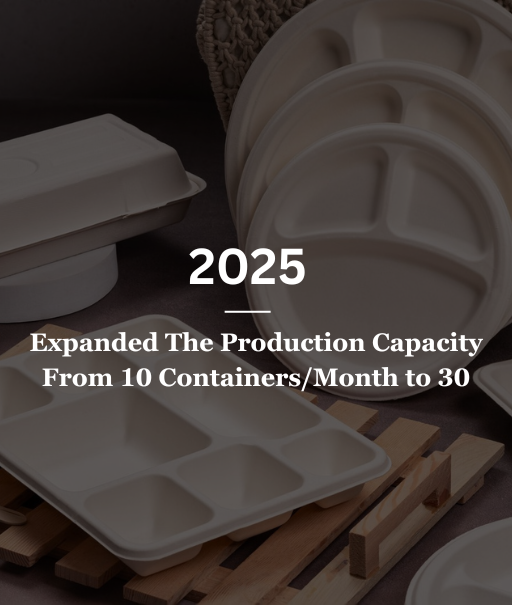
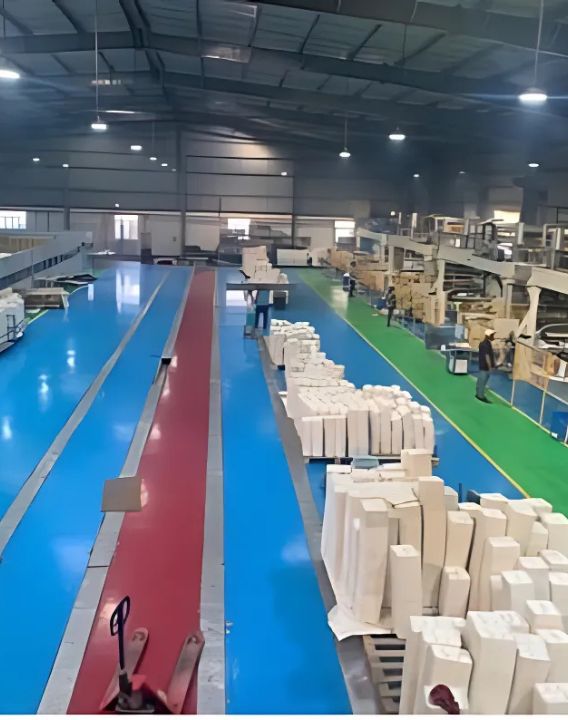
GoEco is a leading biodegradable tableware manufacturer in India, specializing in sustainable disposable products made from sugarcane bagasse. With a modern facility and a monthly production capacity of 400 tons, we supply eco-friendly tableware such as biodegradable plates, bowls, trays, and clamshell boxes to over 20 countries, including the USA, Canada, Europe, the Middle East, and Australia.
As a trusted bagasse tableware supplier, our manufacturing process is entirely plastic-free and integrates solar energy and water recycling systems to promote a circular economy. All products are PFAS-free and hold globally recognized certifications including TUV Austria’s Home OK Compost and Industrial Compost, BRCGS for Packaging, BPI Compostability, and Star Export House certification from the Government of India.
GoEco offers custom-molded biodegradable products and export-quality compostable packaging solutions for restaurants, catering businesses, wholesalers, and retail chains seeking reliable eco packaging manufacturers in India. With a commitment to quality, sustainability, and compliance, we are a go-to biodegradable food packaging supplier for global markets.
Beyond the Blueprint
Crafting Excellence for Over Years
Exporting in countries
Tonns Capacity Per Month capacity
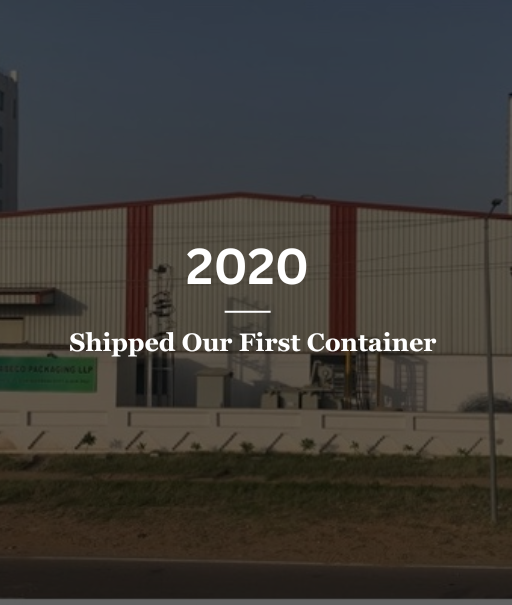
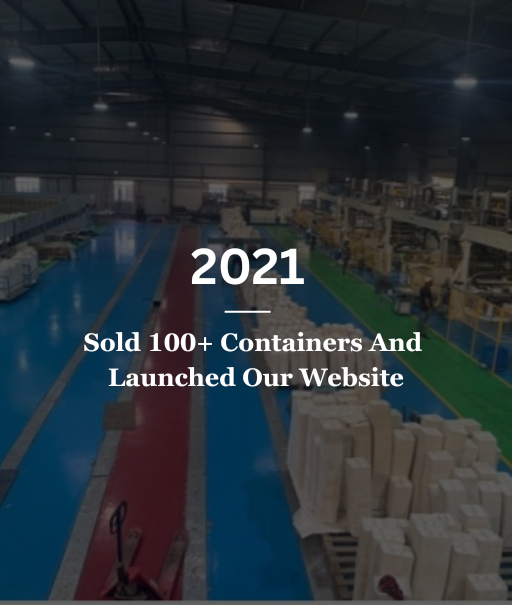
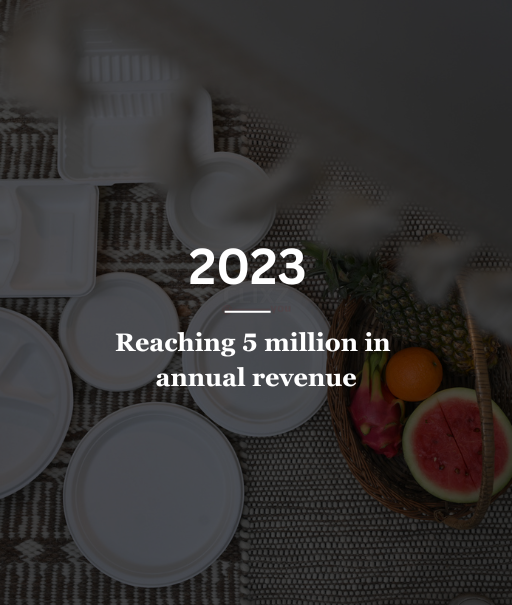
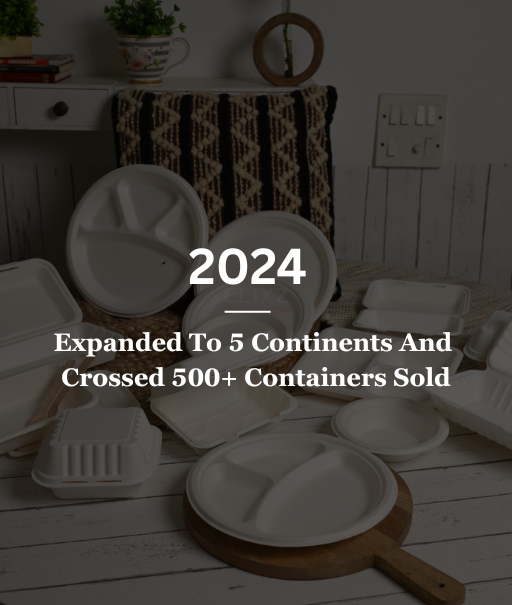
Milestone


President’s Message
At GoEco, we don’t just manufacture biodegradable tableware—we build long-term partnerships rooted in shared values and principles.
Our mission has always been simple yet powerful: to promote sustainable solutions that support an eco-friendly way of living without compromising on quality, style, or comfort. Every product we create reflects our belief that green living should be both sustainable and elegant.
Our roots lie deep in India—a land where the culture, philosophy, and everyday lifestyle have long embraced natural, organic, and zero-waste ways of living. From ancient times, Indian traditions have valued harmony with nature—whether through the use of plant-based resources, reusable materials, or conscious consumption. We don’t just carry this legacy—we bring it to life for the modern world. We believe that sustainability isn’t a trend—it’s a return to who we are.
At GoEco, collaboration is more than just a business transaction. It’s a relationship built on trust, mutual respect, and the potential for decades of meaningful partnership.
The future we build together will reflect the values we share—and leave behind a legacy of sustainability, trust, and lasting change.
Mission & Vision
01
Our Mission
02
Our Vision
Certifications
SEDEX
STAR EXPORT HOUSE
MAKE IN INDIA
FAQs
What does compostable mean?
Composting is the process of breaking down organic waste through microbial digestion to create compost. Compost has many beneficial uses, including improving and fertilising soil. For composting to occur, organic matter requires the right levels of heat, moisture, and oxygen. In a pile of organic waste, millions of tiny microbes consume the material, transforming it into compost. GoEco compostable products completely decompose in a composting environment within a specified timeframe, leaving no harmful residues behind.
What is the required time for compostable packaging to completely break down?
GoEco home compostable packaging solutions naturally break down in compostable conditions within 90 days.
What is the difference between biodegradable and compostable?
All compostable materials are biodegradable but not all biodegradable materials are compostable. Biodegradable is a biological process in which materials are metabolised into CO2, water and biomes, with the help of microorganisms. Compostability describes material that biodegrades within a time frame of 90 days under composting conditions – high humidity, high temperature and the presence of micro-organisms and bacteria. The key difference between compostable means that the product will break down within 6 weeks, whereas biodegradable product could take much longer (between 90 days and 5 years). Additionally, biodegradable materials may include toxins and heavy metals.
Why is sustainable packaging so important?
Traditional plastic food and beverage packaging is derived from ail (the world’s scariest and non-renewable resource), and is a significant source of landfill waste. Traditional plastic does not biodegrade. It just sits and land animals. GoEco compostable range is mostly derived from rapidly renewable plant resources such as birchwood and sugar cane. Manufacturing food packaging from plants is a sustainable alternative when compared to oil-based food packaging. Our products are designed to be composted after use, broken down into nutrient-rich compost. Compostable packaging is adherent to a sustainable, circular economy.
What is the difference between home and industrial composting?
While composting under industrial and/or home compost conditions, such as high heat, high humidity and the presence of bacteria/microorganisms – all in all, it is a more efficient process. Home composting typically varies from season to season, and is dependent upon the relative atmospheric conditions of the compost, as well as on anything from local climate and soil conditions, to what is added to the compost.
What happens if your products end up in landfill?
We recommend disposing of our products in a commercial compost facility where they can be broken down, turned into compost and then returned to the soil. Commercial compost facilities are expanding around the country and there may be one in your area.